

PCS Complete. Career Loading… A Military Spouse’s Guide to Finding Your Next Job After a PCS
If you spent the summer PCSing to a new duty station, chances are the past.
- Posted By: Jessica Wellman
- Date: October 11, 2026
If you spent the summer PCSing to a new duty station, chances are the past.
What Does “Military Spouse Friendly” Actually Mean? “Military spouse friendly” has become a popular phrase..

About 18 months ago, I wrote about the difference between being “veteran-friendly” and being veteran-driven..
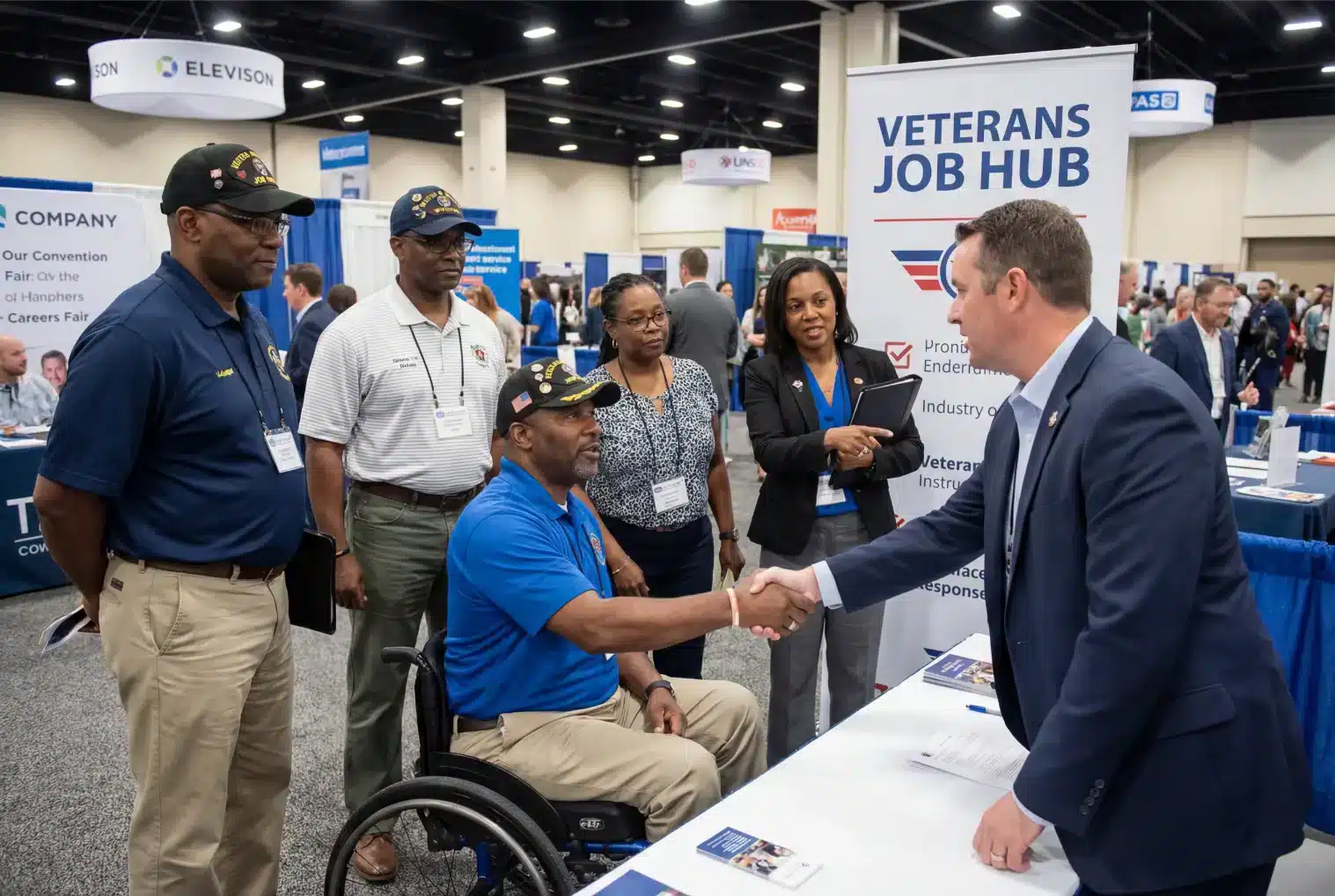
If workforce development were as simple as fixing resumes and running mock interviews, veteran transition.

Most veteran transition conversations focus on skills, resumes, or credentials. That’s understandable. They’re tangible, measurable,.
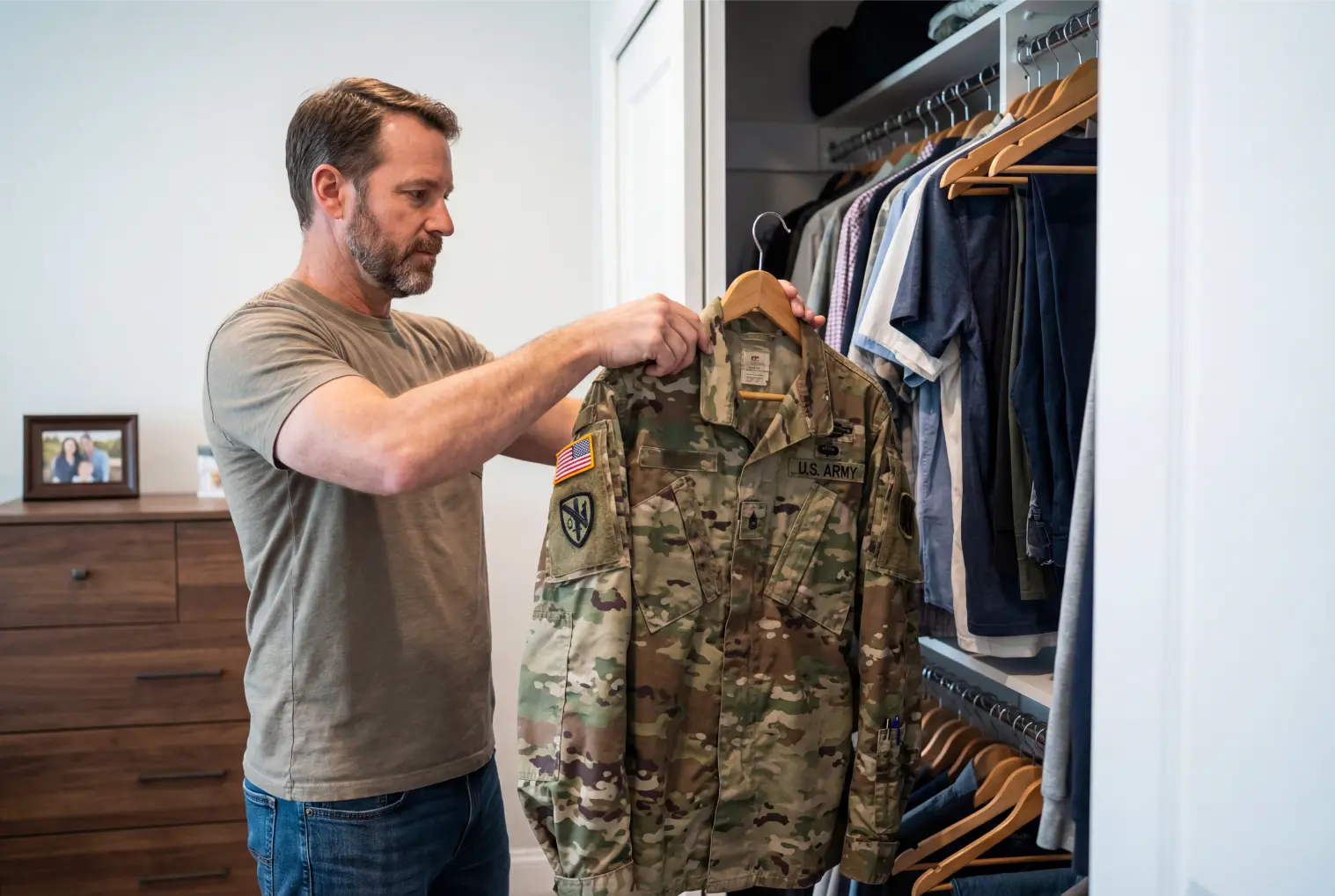
There’s a phrase that gets tossed around every time a service member separates: “transitioning out of.

The “Ghost” Myth and the Statistical Smoke Screen If you listen to the talking heads.

The hiring market is fiercely competitive, yet one of the most consistently high-performing talent pools.

A hiring bonus is a low-effort apology for a high-cost retention problem. It treats recruitment as.