
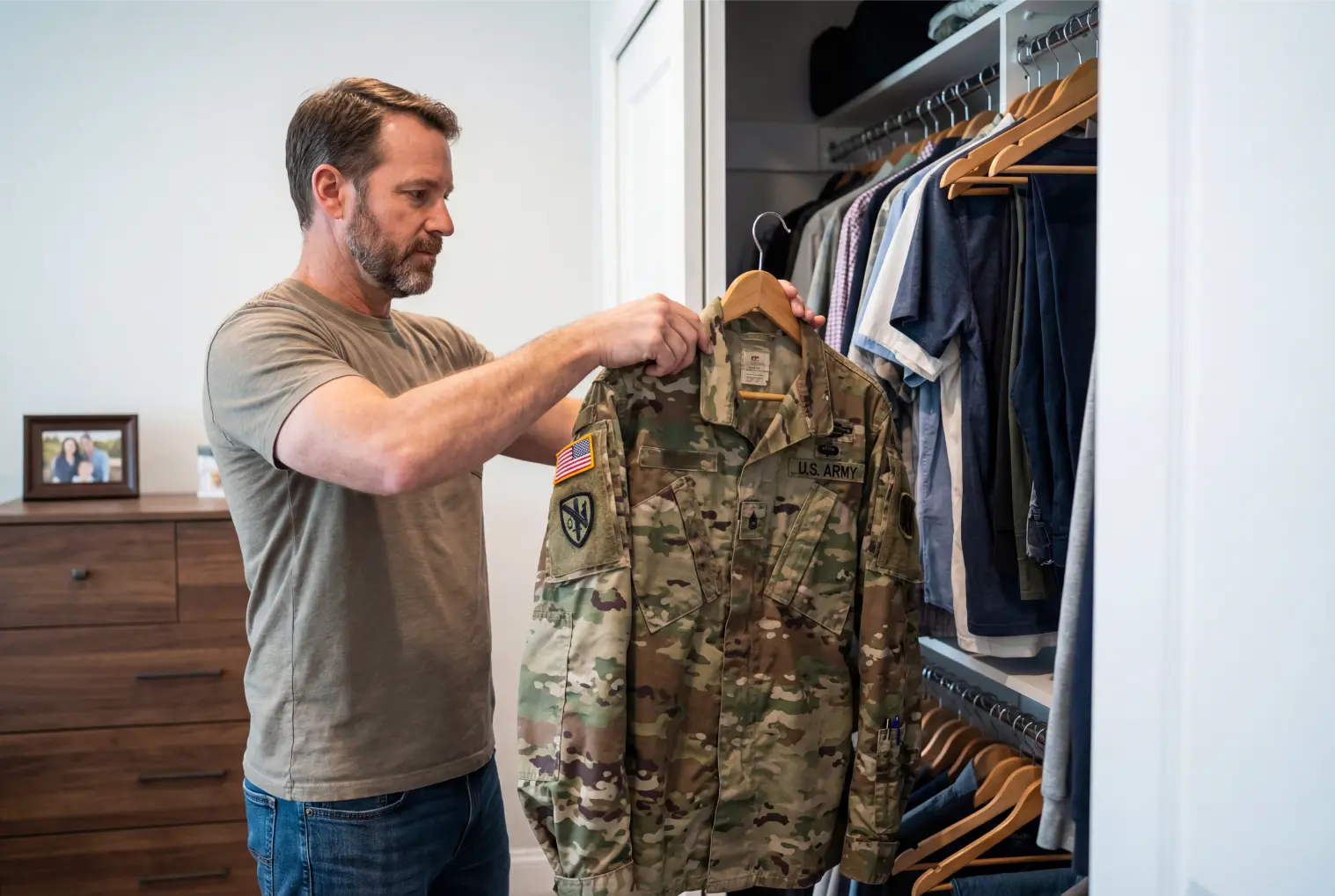
There’s a phrase that gets tossed around every time a service member separates: “transitioning out of the military.”
It sounds harmless. Familiar. Even supportive.
It’s also wrong, and that framing alone explains a big chunk of why so many transitions stall before they ever stabilize.
When you frame separation as an exit, everything that follows becomes reactive. Classes are designed to wrap things up. Programs focus on checklists. Employers assume veterans are “adjusting.” Veterans themselves start bracing for loss instead of preparing for growth.
That’s not a transition problem. That’s a mindset problem.
What’s really happening isn’t an ending, it’s a redeployment into a new workforce. And like any redeployment, success depends on preparation, clarity of mission, and leadership on both sides of the line.
Nationally, we’re seeing continued reports of ineffective transition assistance, disengaged veterans, and what some agencies have quietly labeled “ghost veterans” (people who technically entered civilian systems but never truly integrated into them). They’re employed, but underutilized. Hired, but not developed. Present, but disconnected.
This isn’t because veterans lack discipline, talent, or work ethic.
And it isn’t because employers don’t “support veterans.”
It’s because we’re preparing people to leave something rather than entering something new with intention.
The Cost of an Exit Mentality
When the goal is simply to get out, the bar becomes survival-level.
For veterans, that often looks like:
- “Just get a job.”
- “Any job is better than no job.”
- “Figure it out as you go.”
For employers, it looks like:
- Hiring a veteran and assuming resilience will fill the gaps.
- Onboarding them like every other hire.
- Celebrating the hire without planning the development.
No one in that equation is malicious. But everyone is underprepared.
A workforce transition isn’t about translating ranks into titles or acronyms into buzzwords. It’s about understanding how value is created, communicated, and rewarded in a system that operates very differently from the one you came from. If no one helps bridge that gap, intentionally, veterans don’t fail loudly. They stall quietly.
This Is Where the Shift Has to Happen
Transitioning into the civilian workforce requires a mental reframe on both sides. For veterans, it means recognizing that your past experience matters, but it doesn’t automatically explain itself. For employers, it means accepting that hiring veterans is not the finish line. Military experience doesn’t eliminate the need for onboarding, it changes it.
This is where the conversation usually gets uncomfortable, because accountability lives here. So let’s be direct.
Veteran: This Part Is for You
You’re not owed a successful transition, but you are capable of one.
Waiting for the “right employer” or someone to finally get you is a losing strategy. Civilian success requires active participation, not passive validation.
That doesn’t mean abandoning who you are. It means learning how to communicate your value without military shorthand, and adapting your leadership style without losing standards.
You didn’t stop learning when you put the uniform away. Don’t start acting like you did.
Employer: This Part Is for You
If you describe your organization as “veteran-friendly,” but your approach ends at hiring, you’re not helping, you’re observing. Veteran-driven companies do more than welcome veterans. They prepare managers to lead them, while creating clarity around expectations.
Free cupcakes once a year don’t build careers. Intentional leadership does.
If you’re not willing to take that extra step, stop being surprised when retention drops and engagement fades.
The Bottom Line
This transition doesn’t need more slogans, sympathy, or surface-level support. It needs a mindset shift from exiting to entering and from veteran-friendly to veteran-driven.
When both sides accept that responsibility, transition stops being a risk, and starts becoming an advantage.
Veterans and Employer: Need help or have questions? Talk to Major Talent