
If workforce development were as simple as fixing resumes and running mock interviews, veteran transition wouldn’t still be struggling at scale. Yet that’s where most efforts stop.
Programs measure success by completion. Employers measure success by hiring. Veterans measure success by landing an offer. Everyone feels productive. Until performance stalls, engagement drops, and careers plateau earlier than expected.
That’s not development. That’s placement. And placement without preparation is one of the quietest ways capable people get set up to underperform.
The Resume Trap
Resumes matter. Interviews matter. But they are entry tools, not readiness indicators.
For many transitioning service members, the resume becomes the finish line instead of the starting point. Once the job offer is secured, the assumption is that the hard part is over.
Well, it isn’t.
Civilian workforce success depends far less on what you’ve done and far more on:
- How you create value in ambiguous environments
- How you communicate impact without rank or authority
- How you navigate organizations that reward visibility as much as results
None of that shows up on a resume, and none of it is consistently addressed in transition preparation.
Activity vs. Progress
A lot of workforce “support” looks busy:
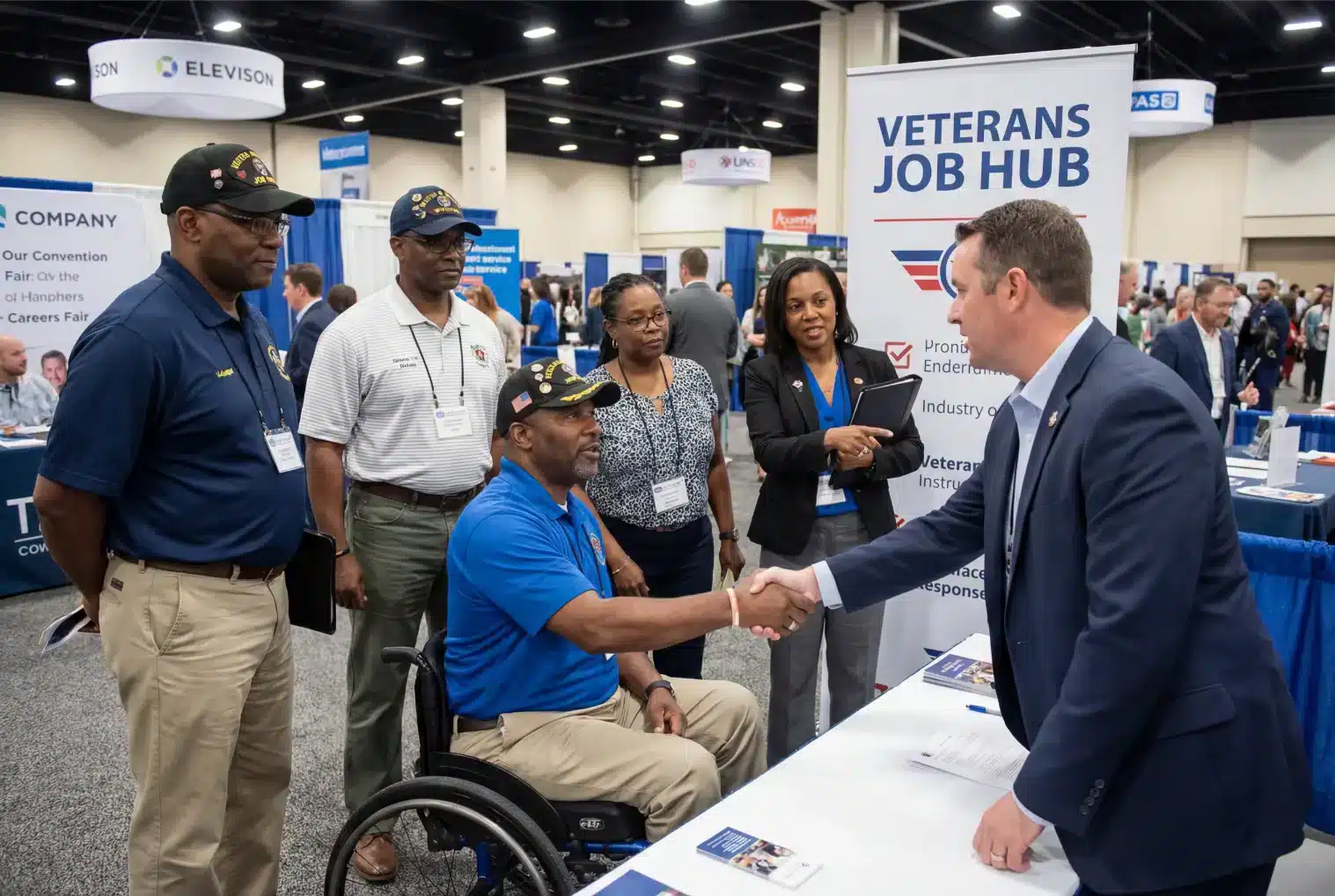
- Career fairs
- Resume workshops
- Networking events
- Hiring commitments
Busy does not mean effective.
Veterans can attend every event, polish every bullet, and still walk into roles they aren’t fully prepared to navigate. Employers can hire veterans in good faith and still watch them disengage because expectations were never aligned.
This is how workforce development becomes transactional instead of transformational.
What Real Development Looks Like
Workforce development should answer three questions before placement:
- How does this organization actually operate?
- What behaviors are rewarded here?
- How does success get measured, both formally and informally?
For veterans, that means learning how to:
- Translate leadership without command authority
- Advocate for themselves without sounding defensive
- Seek feedback before frustration sets in
For employers, it means being honest about:
- What “high performance” really looks like
- Where veterans typically struggle, and why
- How managers are expected to lead, not just supervise
If neither side is prepared, the role becomes a mismatch. Even when the resume says otherwise.
Here’s the Hard Truth Veterans
Getting hired is not proof you’re ready.
If your preparation ends when the offer letter is signed, you’re relying on luck instead of strategy. Civilian careers reward those who understand the system early, not those who assume competence will speak for itself.
Workforce development is your responsibility too. Ask the uncomfortable questions. Learn how advancement actually works. Build awareness before you build frustration.
You didn’t leave structure behind to avoid learning a new one.
Employer – This Part Matters More Than You Think
If your veteran hiring strategy stops at recruitment, you’re not developing talent, you’re cycling it.
Hiring veterans without intentional development paths leads to:
- Early disengagement
- Missed potential
- Preventable attrition
Veterans don’t need special treatment. They need clear expectations, consistent leadership, and honest feedback. That’s not extra work, that’s good management.
If your managers aren’t equipped to provide that, the problem isn’t the hire.
Where the Gap Gets Closed
This is where organizations like Major Talent play a critical role, helping veterans prepare for the realities of the civilian workforce before frustration sets in, and helping employers move beyond hiring metrics into meaningful development.
The Bottom Line
Workforce development isn’t about resumes. It’s about readiness. Until we stop confusing activity with progress, we’ll keep celebrating hires while quietly losing talent.